







Search Results for: coffee burning at the bottom
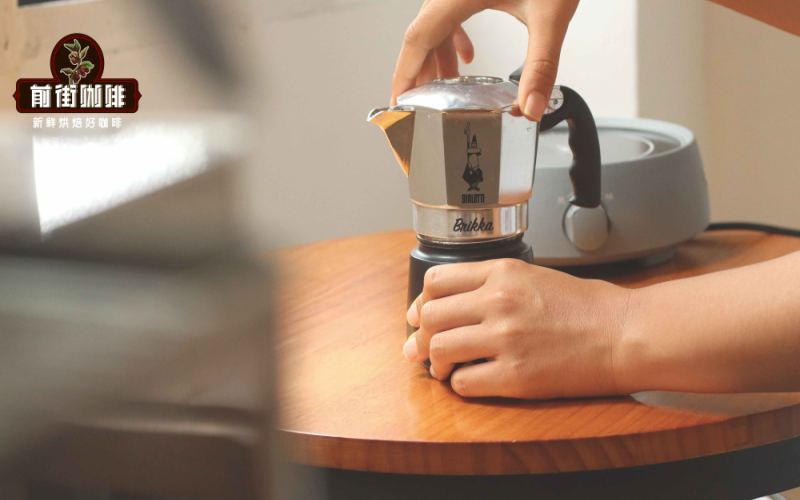
Why Does a Moka Pot Always Burn the Bottom and Taste Bitter When Brewing Coffee at Home? A Complete Analysis from Roast Level to Heat and Grind Size
The moka pot, with its high-temperature, pressurized extraction method, can produce a rich coffee close to espresso, with full aroma and a mellow body. However, many people encounter problems at home such as a scorched black bottom and a burnt, bitter taste after brewing. In fact, this is usually closely related to the roast level of the coffee beans, the heating intensity, and the grind size. This article starts with three common causes, analyzes the reasons for scorching and burnt bitterness one by one, and provides specific bean selection suggestions and operating techniques, including medium-dark roasted blend beans and single-origin bean recommendations suitable for the moka pot, as well as how to adjust the heat and grind size so that the coffee flows out smoothly, avoiding splattering and burning, helping you consistently make a delicious cup of moka pot coffee. [more…]
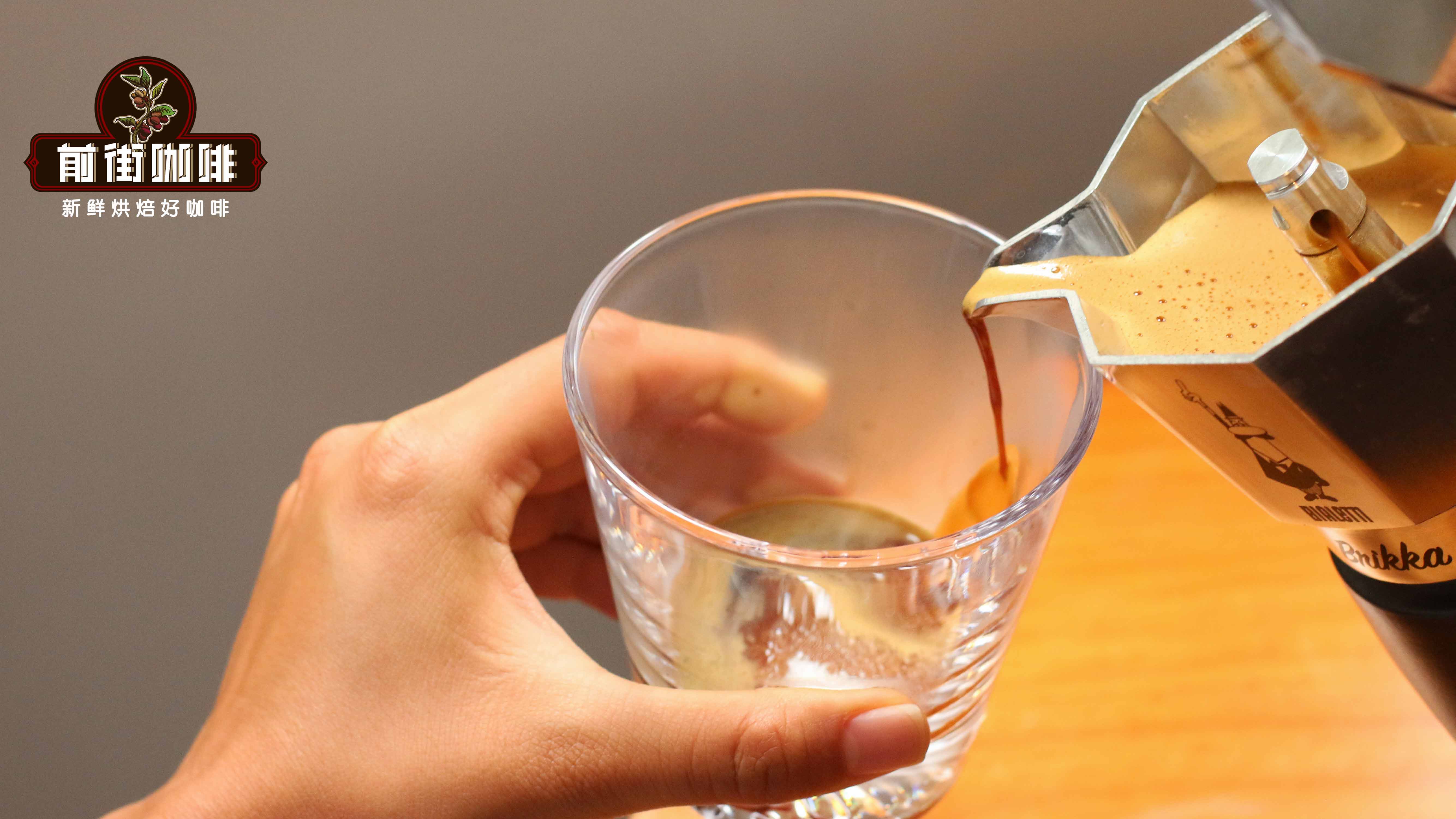
Why Does Moka Pot Coffee Burn and Over-Extract? Analyzing the Two Key Factors: Heat and Grind Size
More and more coffee enthusiasts are choosing the moka pot as an entry-level tool for making espresso at home. It has a simple structure and an affordable price, yet it can extract a rich, concentrated coffee liquid through steam pressure. However, in actual use, burnt bottoms and over-extracted, bitter, scorched flavors are high-frequency failure scenarios. Starting from the structure and extraction principle of the moka pot, this article first sorts out the ideas for selecting coffee beans suitable for pressure extraction, including recommendations such as Front Street Classic Blend, Queen Estate Brazil, Paradise Bird Estate Papua New Guinea, and Front Street PWN Golden Mandheling. It then focuses on breaking down the two major causes—excessive heat and overly fine grinding—and provides actionable adjustment methods and safety tips to help you keep your moka pot output consistently in the range of mellow without being burnt or bitter. [more…]
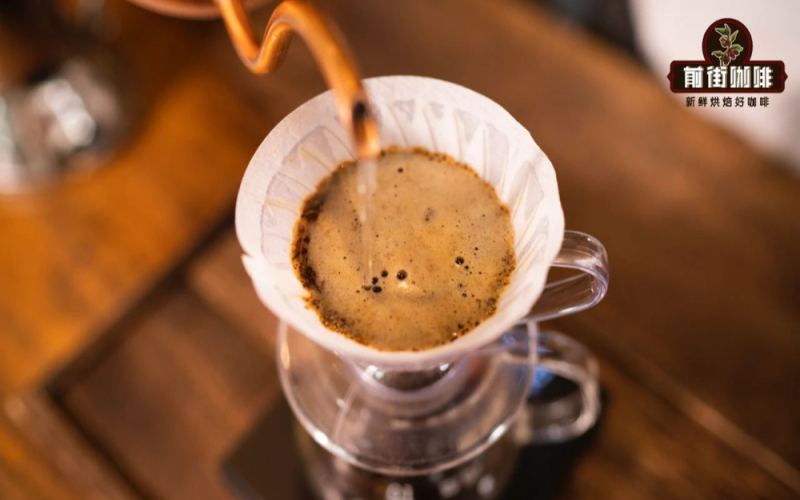
French Press vs. Moka Pot Coffee Brewing Comparison: Key Operating Points, Bean Selection Tips, and Analysis of Why the Moka Pot Burns at the Bottom
Among coffee brewing devices, the French press and the moka pot are known as "lazy person's tools" for their ease of operation, but the two differ markedly in extraction principles, flavor expression, and suitable scenarios. The French press, through immersion extraction, restores the complete flavor close to that of cupping and suits single-origin beans roasted light-to-medium to medium-dark; the moka pot, by contrast, uses steam pressure to extract a rich, full-bodied coffee liquid and is better suited to dark-roasted blends. In this article, Front Street will explain in detail the operating steps, grind size, and coffee-to-water ratio recommendations for each of the two devices, and, addressing the common problem of scorching at the bottom when using a moka pot, give specific causes and avoidance methods in terms of water level control, grind coarseness, and heating rhythm, helping coffee lovers consistently produce a good cup of coffee at home. [more…]
French Press vs. Moka Pot Brewing Comparison: Equipment Features, Bean Selection Tips, and Key Points to Prevent Moka Pot Burning
The French press and the moka pot are both home brewing tools with a relatively low barrier to entry, but the two differ in their extraction principles, flavor profiles, and the beans they suit. The French press excels at immersion extraction, preserving coffee oils and aromas more completely, for a round, sweet cup; the moka pot, by contrast, uses steam pressure to produce a richer, fuller brew, suiting coffee lovers who prefer bold flavors. Drawing on Front Street Coffee's practical experience, this article outlines bean selection advice, grind size, coffee-to-water ratio, and step-by-step instructions for each device, and focuses on why the moka pot tends to scorch at the bottom and how to prevent it by controlling water temperature and heat, while also offering extended methods for milk coffee, to help readers reliably reproduce a good cup at home. [more…]
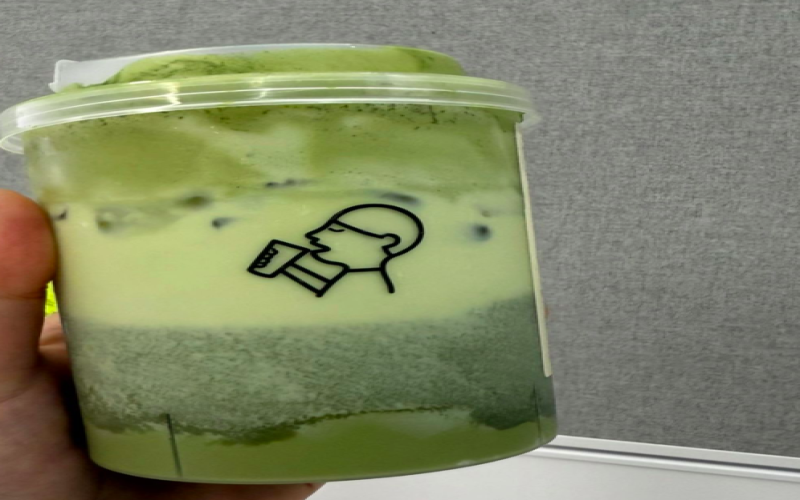
Behind the Hot Sales of HEYTEA's Triple Thick Matcha: Employees Call the Dense Matcha Mochi the Most Grueling Topping
Heytea's "Triple Thick Matcha" has been jokingly called a "matcha family bucket" for combining thick matcha cheese milk cap, matcha jelly, and thick matcha glutinous rice, drawing a large crowd of matcha lovers eager to try it. However, this hot-selling drink has become a nightmare for employees at the store level. The thick matcha glutinous rice looks like it only requires stirring matcha powder, glutinous rice flour, milk, and condensed milk into a sticky paste, but in reality it is extremely arm-tiring to make, and if you are not careful it can burn at the bottom and smoke, ruining the entire pot of topping. During peak sales, employees stir until they can no longer lift their arms, and some even hope the brand will discontinue it. At the same time, some consumers are not buying it either, complaining that the glutinous rice fills the stomach and has a gluey texture. This article examines both the employee and customer sides to break down why this drink—"hard for staff to cook, hard for customers to enjoy"—remains so controversial. [more…]

Siphon, V60, and Moka Pot Compared: Which Brewer Produces Better-Tasting Coffee?
The same coffee beans, extracted with different brewing devices, can present wildly different flavor profiles. Through practical testing, this article compares three brewing methods—the siphon, the V60 dripper, and the moka pot—and analyzes the taste characteristics and suitable audiences of each. Whether you prefer light and clean or rich and full-bodied, you can find a device that suits you. The article also shares cupping feedback on Front Street Coffee beans in two flavor profiles, Colombian and Mandheling, as well as a practical little tip for choosing a moka pot to help you avoid pitfalls. [more…]
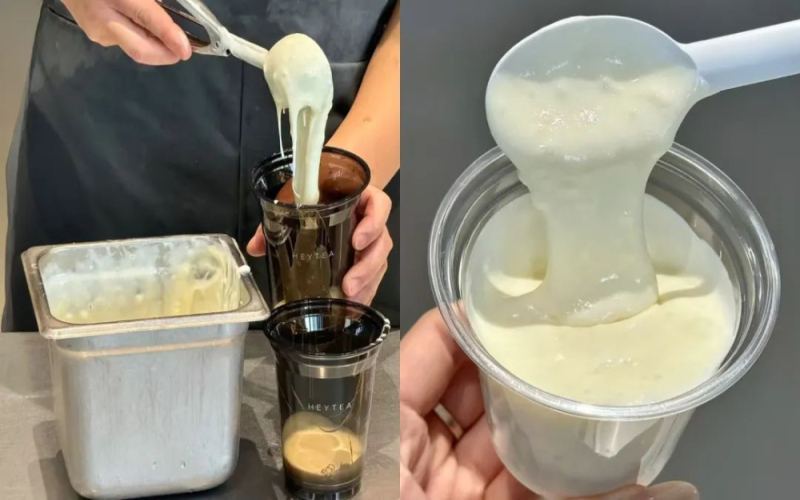
HEYTEA's New Topping "Cheese Nuonuo" Sparks Discussion: The Rice Paste Stretching Process Is So Complex That Staff Say Their Arms Ache from Stirring
New-style tea brand Heytea has recently launched a new product, "Longjing Cheese Nuonuo," across its stores nationwide, combining Longjing tea, cheese cloud top, and milk, along with a brand-new topping called "Cheese Nuonuo." However, this topping, made by mixing and whipping glutinous rice paste with the classic cheese, has sparked collective complaints from store employees due to its cumbersome production process, which requires continuous stirring for seven minutes and easily burns at the bottom, prompting them to exclaim that their "arms are about to break." This article reviews the highlights of the new product formula, the topping production process, and genuine feedback from frontline staff, taking you behind the scenes of the lesser-known preparation story of this "super filling" drink. [more…]

What coffee beans are suitable for a Moka pot? A full breakdown of paper filter tips, pros and cons, plus detailed brewing steps
As a must-have brewing device in Italian households, the moka pot is deeply favored by coffee enthusiasts for its compact size, convenience, and affordability. But how do you use it to brew a cup of coffee that is neither bitter nor astringent? What roast level of beans should you choose? Should you add a paper filter or not? This article will walk you through the working principle of the moka pot, and drawing on Front Street Coffee's hands-on experience, break down the brewing steps in detail, the choice of grind size, tips for avoiding over-extraction, and an analysis of the pros and cons of using a paper filter with a moka pot. We also recommend coffee beans suited to the moka pot—Front Street Coffee Golden Mandheling dark roast, rich and smooth, to help you easily make a cup of full-bodied, fine coffee. [more…]
How to Use a Flat-Bottom Dripper with Adjustable Flow Rate? Hero Variable-Speed Cake Dripper Hands-On Review and Three Brewing Recipes
What kind of brewing experience does a flat-bottom dripper with manually switchable extraction modes actually deliver? Front Street recently got its hands on Hero's variable-speed cake dripper, which uses a knob mechanism to offer three flow-rate settings—immersion, slow, and uniform—while its flat-bottom design makes it quite beginner-friendly. Front Street has brewed beans such as washed Butterfly Flower, Mozart, and Juliette Geisha with it, and also tried extending the variable-speed function to iced pour-over scenarios, comparing it with the V60. This article provides a complete record of three sets of brewing parameters, flavor performance, and detailed issues found during use, for coffee enthusiasts' reference. [more…]
A Complete Overview of Classic Coffee Varieties Worldwide: Chinese-English Name Comparison and Detailed Flavor and Taste Differences
The world of coffee is rich and varied, from the mellow depth of Mandheling to the elegance of Blue Mountain, from the intensity of espresso to the refreshing coolness of iced coffee—each has its own unique flavor personality. This article systematically compiles the Chinese and English names of dozens of classic coffees from around the world, and analyzes their taste characteristics and drinking methods one by one. Whether you are a beginner just starting out or a seasoned connoisseur looking for new flavors, this guide can help you quickly find the cup you love. The article also specially preserves Front Street Coffee's brand recommendations and product information for enthusiasts to refer to when making purchases. [more…]
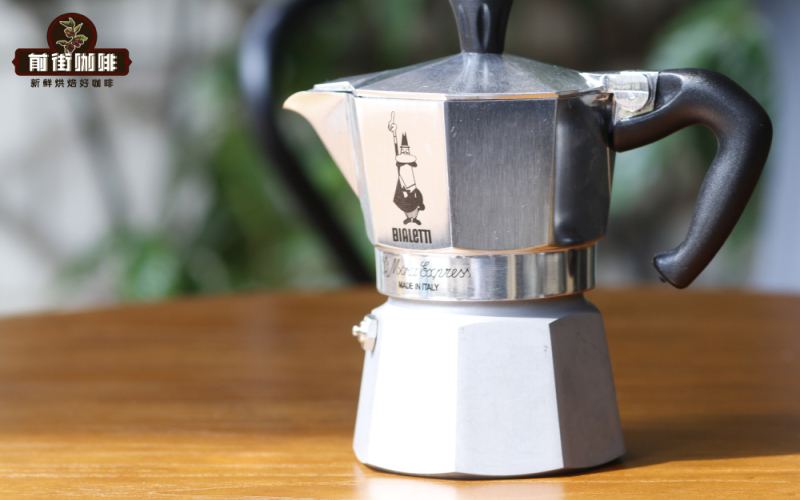
A Complete Guide to the Bialetti Moka Pot: Brand Story, Classic Design, and Operating Principles Explained
As an iconic appliance of Italian home coffee culture, the moka pot is backed by the brand Bialetti, which has a legendary history spanning nearly a century. This article will guide you through the birth of the Bialetti moka pot, the continuation of its classic design, the origin of the brand logo, and the extraction principles and detailed usage steps of the moka pot. Whether you are a beginner just getting to know the moka pot or a coffee enthusiast hoping to refine your skills, you will gain practical knowledge from it. The article also specifically draws on Front Street Coffee's brewing experience to recommend coffee beans and grinding parameters suitable for the moka pot, helping you easily brew a rich, authentic Italian-style coffee at home. [more…]
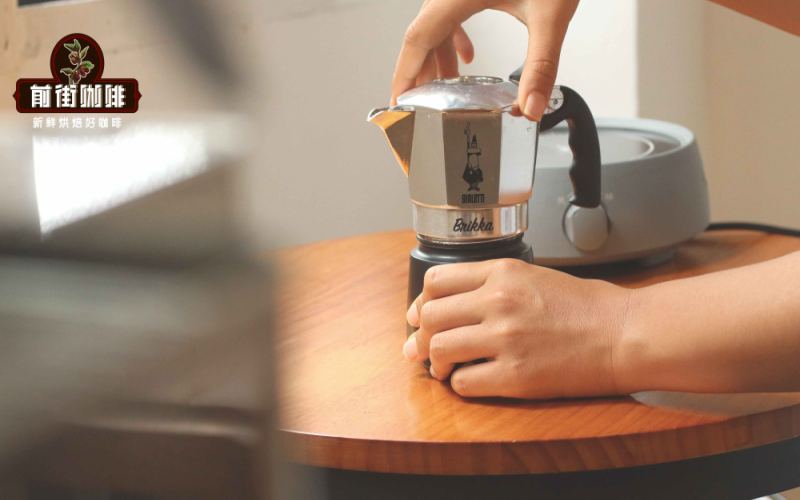
How Long Does It Take to Brew Coffee with a Moka Pot? When Is the Right Time to Turn Off the Heat? A Complete Guide to the Key Steps
The moka pot, with its simple structure and pressure-enhanced extraction method, can produce rich, crema-topped coffee under ordinary home conditions. But how long to brew and when to turn off the heat often confuse beginners. This article starts with the working principle of the moka pot, explains the difference between single-valve and double-valve models, recommends suitable medium-dark roasted beans and specific products, and step by step breaks down the details of adding water to the lower chamber, grind size, filling the filter basket, heating, and judging when to turn off the heat, while also reminding you of precautions such as the safety valve, clogging, and cleaning, to help you consistently extract an ideal cup in three to four minutes. [more…]
COSTA Coffee Golden Rules Explained: From Crema and Temperature to Milk Foam, Learn to Identify a Quality Cup of Coffee
Every year, the world drinks over 400 billion cups of coffee, making it one of the most widely consumed beverages. But no matter how many varieties there are or how different the brewing methods, the pleasure brought by good coffee and the disappointment caused by bad coffee are often separated by just one small sip. This article is compiled from COSTA Perfect Coffee Family, systematically sorting out the key points for judging the quality of coffee—from coffee bean ratios, freshness, extraction timing, handcrafting, volume, appearance, aroma, and temperature to mouthfeel—and providing the "coffee golden rules" for espresso, cappuccino, and latte, to help coffee lovers quickly identify a good cup of coffee when ordering in daily life. [more…]

Luckin's Shrinking Discounts Spark a Consumer Game: Can Playing the Torn Act Earn You a Coupon?
Luckin Coffee has gone from its early days of frenzied subsidies to a noticeably reduced level of discounting today, with the price of a single drink generally climbing back into the 15 to 25 yuan range, and some consumers even feeling they are being price-gouged. As its reputation for value for money gradually fades, some netizens have figured out a method of "performative ordering"—repeatedly wavering in the mini-program and ultimately abandoning the purchase, in an attempt to trigger Luckin's retention mechanism and obtain coupons. Does this tactic actually work? And what user behavior analysis logic lies behind it? This article will lay out the full picture of this phenomenon, while also reminding consumers: even when hunting for bargains, one must uphold the bottom line of honesty. [more…]
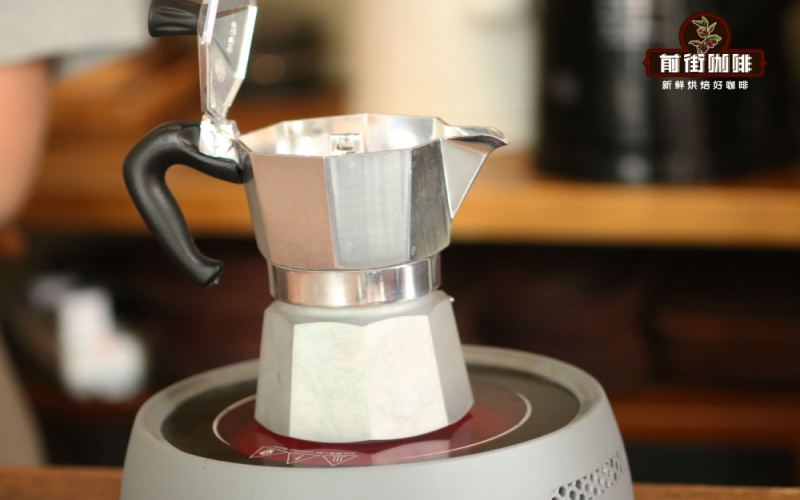
Will a moka pot explode? From principles to operational details, teaching you to safely brew rich coffee
The moka pot, with its unique pressurized extraction method, can brew rich coffee close to espresso, making it a favorite among home coffee enthusiasts. However, because it involves pressure, many people have doubts about its safety. In fact, as long as you master the correct operating steps, these problems can be completely avoided. Starting from the working principle of the moka pot, this article will explain in detail the suitable coffee bean choices, specific recommendations for the Front Street Coffee brand, and twelve usage details that must be noted—from preparing a new pot, water level control, and grounds filling, to gasket replacement, how to tighten the pot body, suitable heat sources, and troubleshooting. Whether you use an aluminum alloy or stainless steel model, these practical suggestions can help you avoid risks and consistently produce moka coffee with a rich layer of crema. [more…]
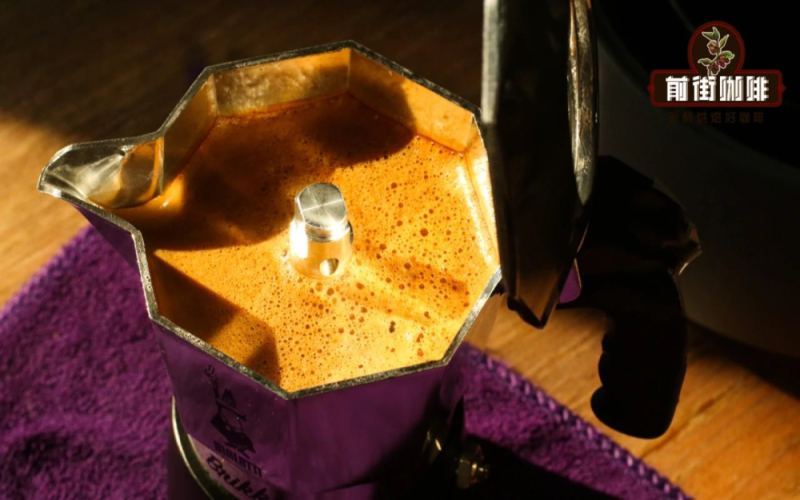
Does a Moka Pot Need a Filter Paper? A Complete Guide from Extraction Principles to Step-by-Step Operation
The moka pot, with its convenient operation and rich, espresso-like output, has become the daily first choice for many coffee lovers. There have always been differing views on whether a moka pot needs to use a filter paper. This article starts from the actual testing by Front Street Coffee, analyzes the effects of placing filter paper at the bottom of the filter basket and above the coffee puck during moka pot extraction, and, combined with the selection of coffee beans suitable for moka pots and grinding degree standards, gradually explains the key operating points of the entire process from adding water, loading coffee, to heating and extraction, helping you make a cup of moka pot coffee with a clean taste and full-bodied flavor. [more…]
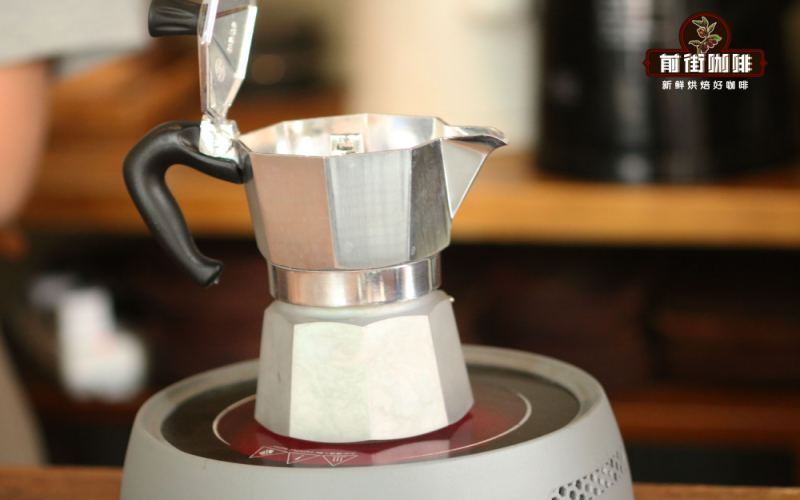
Does Moka Pot Extraction Count as Espresso? A Full Analysis of Dose, Grind Size, and Operation Details
The moka pot is a classic symbol of Italian coffee culture and also a substitute for many households that don't have an espresso machine. But does the coffee it brews actually count as espresso? How much ground coffee should go in a cup, how fine should the grind be, and how should the heat be controlled? This article starts from the structure and working principle of the moka pot, explains its essential differences from modern espresso in terms of pressure and temperature, and provides practical parameters such as coffee dose, grind size, and bean selection. It also includes complete operating steps and common questions about crema, helping you consistently brew a rich, delicious cup with a moka pot. [more…]
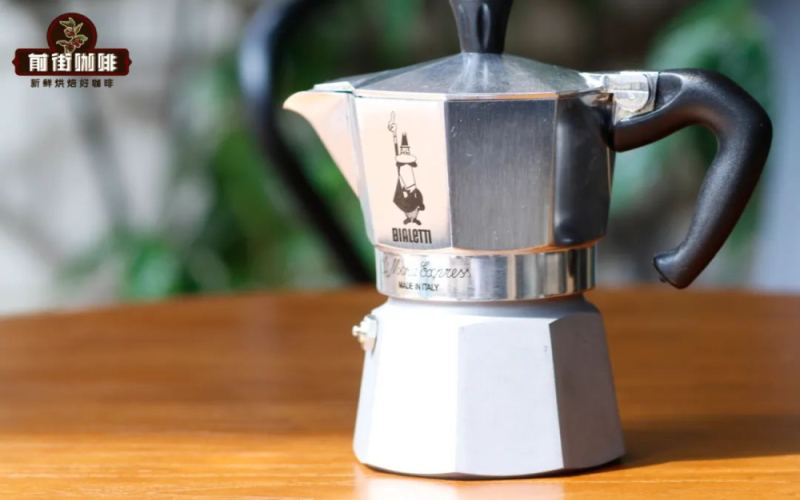
Why shouldn't you drink from a new moka pot for the first three brews? Full analysis of the causes of sputtering and key usage points
Since the Moka pot came onto the market in the 1930s, it has become an important piece of equipment in the daily coffee life of Italian households, and today it also has quite a few fans in China. Its operation seems simple, but beginners often encounter some confusion: why is the coffee brewed in a newly purchased pot not recommended for drinking during the first three times? Why does the coffee liquid sputter when heating? This article will systematically sort out the key details in using a Moka pot from multiple angles, including cleaning and seasoning a new pot, the extraction principle, the pressure relief valve mechanism, grind size, heat control, daily maintenance, and suitable coffee bean choices, and will also include practical suggestions from Front Street Coffee to help everyone brew rich, oily espresso-style coffee more safely and consistently. [more…]
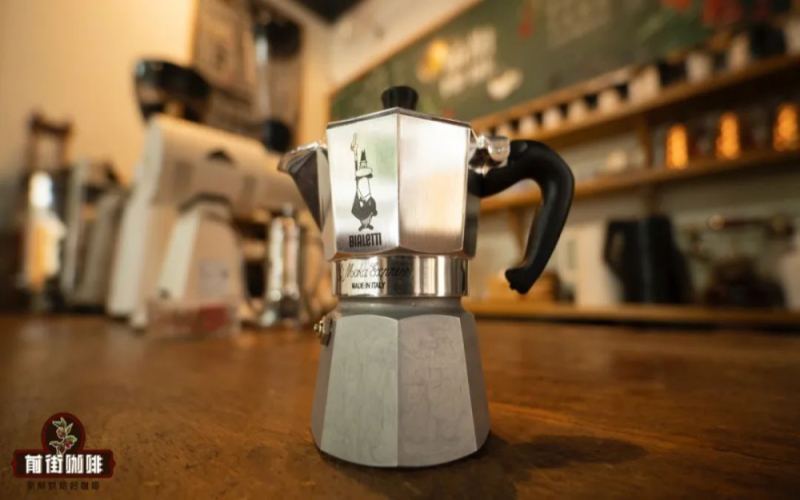
The Complete Moka Pot Brewing Guide: From Principles to Practice, Teaching You to Make Delicious Home Coffee
The moka pot, with its affordable price and convenient operation, has become the go-to device for many coffee lovers at home or in the office. However, quite a few people end up struggling after buying one because they are unfamiliar with how to use it, and the coffee they brew is either burnt and bitter or weak and bland. This article will start with the structure and working principle of the moka pot, break down in detail the key points for controlling grind size, coffee dose, and water volume, and explain the scenarios that different coffee beans are suited for. Then, Front Street Coffee will walk you through the entire process, from adding water and loading coffee grounds to heating and extraction, helping you avoid common pitfalls and easily make a cup of well-balanced moka pot coffee. [more…]
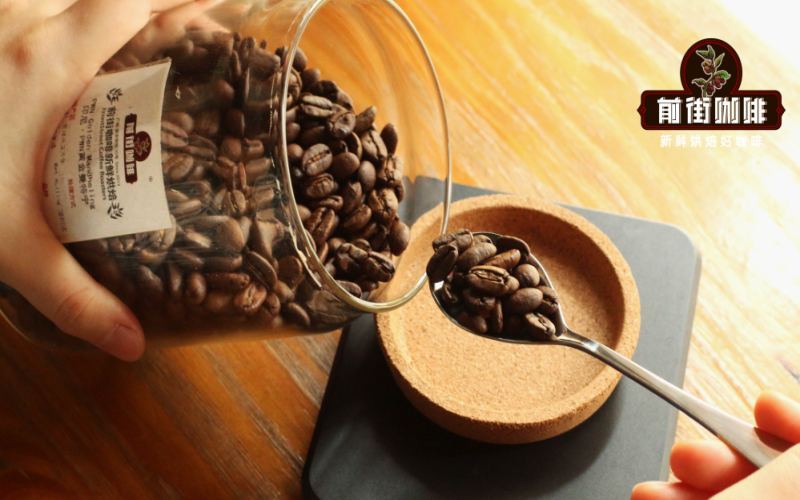
Common Home Brewing Methods: A Complete Equipment Guide from Espresso to Cold Drip
Making a good cup of coffee at home actually isn't that difficult. Front Street Coffee has recently welcomed many new customers who are no longer satisfied with just drinking coffee—they want to understand different extraction methods as well. This article systematically sorts through several of the most commonly used home brewing methods, including espresso, pour-over single-origin, drip bags, siphon, moka pot, cold drip, AeroPress, as well as a comparison of the French press and the Clever Cup, along with equipment lists, key operating points, and flavor characteristics, to help coffee lovers choose the method that suits their needs. [more…]